Source Perfume Capping Machine for Bottling, Packaging, and Filling
Find and compare 30 perfume capping machine options from Chinese manufacturers. Evaluate rotary and linear models with plunger or piston dosing devices. Review specifications for automatic grade, filling accuracy, and custom packaging solutions to streamline your production line; compare the available evidence and request quotations based on your requirements.
Key considerations
Products List


Comprehensive Sourcing Guide
Perfume Capping Machine Sourcing Guide
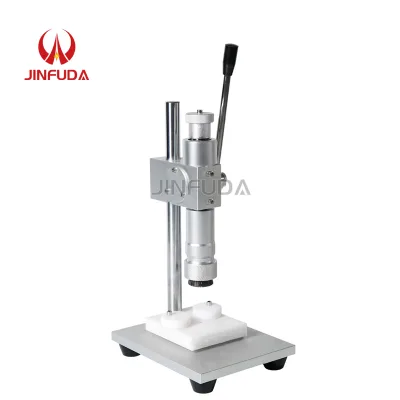
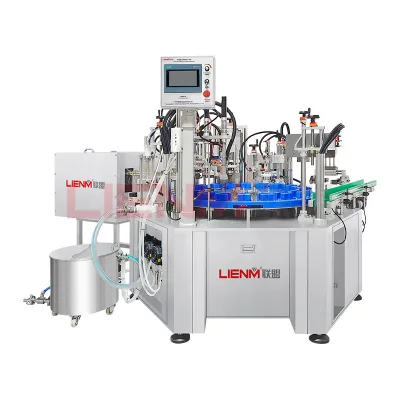
The perfume capping machine market presents a diverse array of automated solutions designed to handle liquid cosmetic products with precision. Buyers will encounter machines categorized by structure, such as rotary and linear configurations, which dictate the production flow and footprint requirements. These systems often integrate capping functions alongside filling operations, utilizing specific dosing devices like plunger or rotor mechanisms to ensure accurate volume delivery. Understanding the structural differences is the first step in aligning equipment with existing production line layouts.
Procurement decisions must also account for the specific packaging materials and container types the machine is designed to handle. Listings indicate compatibility with various packaging forms, including bottles, boxes, and tanks, often constructed from composite materials or plastic. The drive mode, whether electric or pneumatic, significantly influences operational costs and maintenance needs. Buyers should verify that the selected machine's design supports the specific bottle types used in their perfume lines, ensuring seamless integration with upstream filling and downstream capping processes.
Product Scope and Observed Listing Signals
Market listings reveal a wide price spectrum, ranging from approximately $169 to $48,750, reflecting the variance in automation levels and capacity. This broad range suggests that entry-level models may offer basic functionality, while high-end units provide advanced features like multi-head filling and complex sealing capabilities. The minimum order quantity typically starts at a single unit, allowing for flexible procurement strategies, though bulk orders might unlock different commercial terms. Buyers must carefully evaluate the feature set against the price point to avoid overpaying for unnecessary automation or under-specifying for high-volume needs.
Observed product attributes highlight specific customization options available to meet unique production demands. Many suppliers offer customizable designs, allowing for adjustments in filling volume and head configurations, which can range from one to sixteen heads depending on the model. The packaging for these machines often involves robust solutions like timber boxes, wooden cases, or plywood crates to ensure safe transit. When reviewing listings, buyers should look for explicit mentions of these customization capabilities to ensure the machine can adapt to future product line changes or varying bottle sizes.
Technical Specifications to Verify
Technical due diligence requires a close examination of the filling accuracy and capping rates to ensure product quality standards are met. Some models boast filling accuracies as tight as ±0.3%, while others operate within a 1% margin, a critical distinction for high-value perfume formulations. The capping rate is another vital metric, with some systems achieving 99% efficiency, minimizing waste and ensuring consistent seal integrity. Buyers must verify these specific performance metrics against their quality control requirements to prevent costly product loss or customer complaints regarding seal failures.
The mechanical structure and feeding systems are equally critical for maintaining continuous production flow. Machines may feature single-room or multi-room feeding cylinder structures, influencing how bottles are oriented and processed through the line. The filling principle, whether based on pressure or atmospheric pressure, determines the suitability for different liquid viscosities. Additionally, the machine standard, often specified as stainless steel, ensures hygiene and durability in a cosmetic manufacturing environment. Verifying these structural details ensures the equipment can handle the specific physical properties of the perfume being produced.
Compliance and Safety Documentation
Regulatory compliance is a non-negotiable aspect of sourcing industrial machinery, particularly for equipment handling consumer goods. Buyers should request documentation confirming adherence to relevant safety standards, such as those indicated by SGS or CE certifications. These certifications validate that the machine meets international safety and quality benchmarks, reducing liability risks and ensuring operator safety. Without proper certification, the equipment may face regulatory hurdles in various markets, potentially delaying deployment or leading to non-compliance penalties.
Safety documentation must also cover the operational parameters and air consumption requirements of the machine. Specific models may require compressed air within a range of 0.4 to 0.8 MPa, necessitating an assessment of the facility's existing utility infrastructure. Buyers need to verify that the machine's electrical and pneumatic systems are compatible with their plant's power supply and air compression capabilities. Ensuring that all safety interlocks and operational limits are clearly documented helps in training staff and maintaining a safe working environment during daily operations.
Cost Drivers and Commercial Terms
The total cost of ownership is influenced by several factors beyond the initial purchase price, including energy consumption and maintenance requirements. Machines with higher automation levels, such as fully automatic grades, may offer greater long-term efficiency but come with a higher upfront investment. The complexity of the dosing device, whether it is a peristaltic pump or a piston pump, also impacts maintenance costs and the frequency of part replacements. Buyers should analyze the lifecycle costs to determine the most economical option for their specific production volume and budget constraints.
Commercial terms, including packaging and shipping logistics, play a significant role in the final procurement cost. The observed packaging standards, such as timber boxes or wooden cases, add to the shipping weight and volume, affecting freight charges. Additionally, the origin of the machine, often listed as China or Guangzhou, influences lead times and potential import duties. Buyers must negotiate clear terms regarding delivery, including the handling of heavy machinery and the specific packaging requirements to ensure the equipment arrives undamaged and ready for installation.
Supplier Qualification and Quality Control
Supplier qualification involves verifying the manufacturer's ability to deliver consistent quality and support throughout the product lifecycle. Buyers should assess the supplier's track record in producing machines with specific features like multi-head filling valves and adjustable filling volumes. The presence of a dedicated quality control process, often reflected in certifications like SGS, indicates a commitment to maintaining high manufacturing standards. Establishing a relationship with a qualified supplier ensures that any technical issues can be resolved promptly, minimizing production downtime.
Quality control protocols should extend to the machine's construction materials and assembly processes. Stainless steel standards are frequently cited, ensuring resistance to corrosion and ease of cleaning, which is vital for cosmetic applications. Buyers must verify that the machine's design allows for easy cleaning and maintenance, as highlighted in product features. A supplier that provides detailed documentation on material properties and assembly tolerances demonstrates a higher level of professionalism and reliability, reducing the risk of receiving substandard equipment.
Long-Term Procurement Checks
Long-term procurement success depends on the availability of spare parts and the supplier's capacity for technical support. Buyers should confirm that critical components, such as filling nozzles and pump mechanisms, are readily available to prevent extended downtime during repairs. The ability to customize the machine for future needs, such as changing bottle sizes or filling volumes, adds significant value over the equipment's lifespan. A supplier that offers ongoing support and upgrade options ensures the machine remains a viable asset as production requirements evolve.
Performance monitoring and regular maintenance checks are essential for sustaining the machine's efficiency and accuracy over time. Buyers should establish a schedule for inspecting the filling accuracy, capping rates, and pneumatic systems to ensure they remain within specified parameters. The machine's design, which may include features like pneumatic lifting structures, requires regular attention to prevent wear and tear. By implementing a proactive maintenance strategy, buyers can extend the equipment's operational life and maintain high production standards without unexpected interruptions.
FAQs
What filling accuracy can I expect from a perfume capping machine?
You can expect high precision with filling accuracy typically at 1% or better. Some advanced models achieve an accuracy of plus or minus 0.3 percent. This ensures consistent volume control for liquid products. Adjustable filling volume features allow you to customize output for different bottle sizes. This precision is critical for maintaining product quality and reducing waste during high-speed production runs.
Which dosing devices are available for perfume filling machines?
Several dosing devices are available depending on your specific production needs. Options include rotor-based systems, plunger mechanisms, and capacity cups. Rotor devices often suit rotary machine structures, while plunger systems are common in piston filling machines. Capacity cups are used in atmospheric pressure filling principles. Selecting the right device ensures optimal performance for your specific liquid viscosity and bottle type.
Can I customize the number of filling heads on the machine?
Yes, customization is available for the number of filling heads to match your throughput requirements. You can choose from one, two, four, six, eight, twelve, fourteen, or sixteen heads. Multi-head configurations significantly increase production speed for large-scale operations. The machine structure, whether rotary or linear, will determine the optimal head arrangement for your facility layout and workflow efficiency.
What certifications are required for perfume capping machine suppliers?
Suppliers typically provide SGS and CE certifications to ensure compliance with international safety and quality standards. These certifications verify that the machine meets essential regulatory requirements for electrical and mechanical safety. Always request valid documentation before purchase. Certified machines ensure safer operation and easier integration into global supply chains. Verify that the certificate covers the specific model and configuration you intend to import.
How is the machine packaged for international shipping?
Machines are packaged in robust containers to prevent damage during transit. Common packaging options include timber boxes, wooden cases, and plywood crates. These materials provide strong protection for the stainless steel components and internal mechanisms. The packaging dimensions vary by model, with some whole lines requiring larger crates. Proper packaging ensures the equipment arrives in optimal condition, ready for immediate installation and commissioning at your facility.
What drive modes are supported by these filling machines?
These machines support both electric and pneumatic drive modes to suit different factory environments. Electric drives offer precise control and energy efficiency for automated lines. Pneumatic drives are ideal for applications requiring explosion-proof safety or specific pressure controls. The choice depends on your available utilities and production speed requirements. Both modes can be integrated with automatic grading systems for fully automated operation.